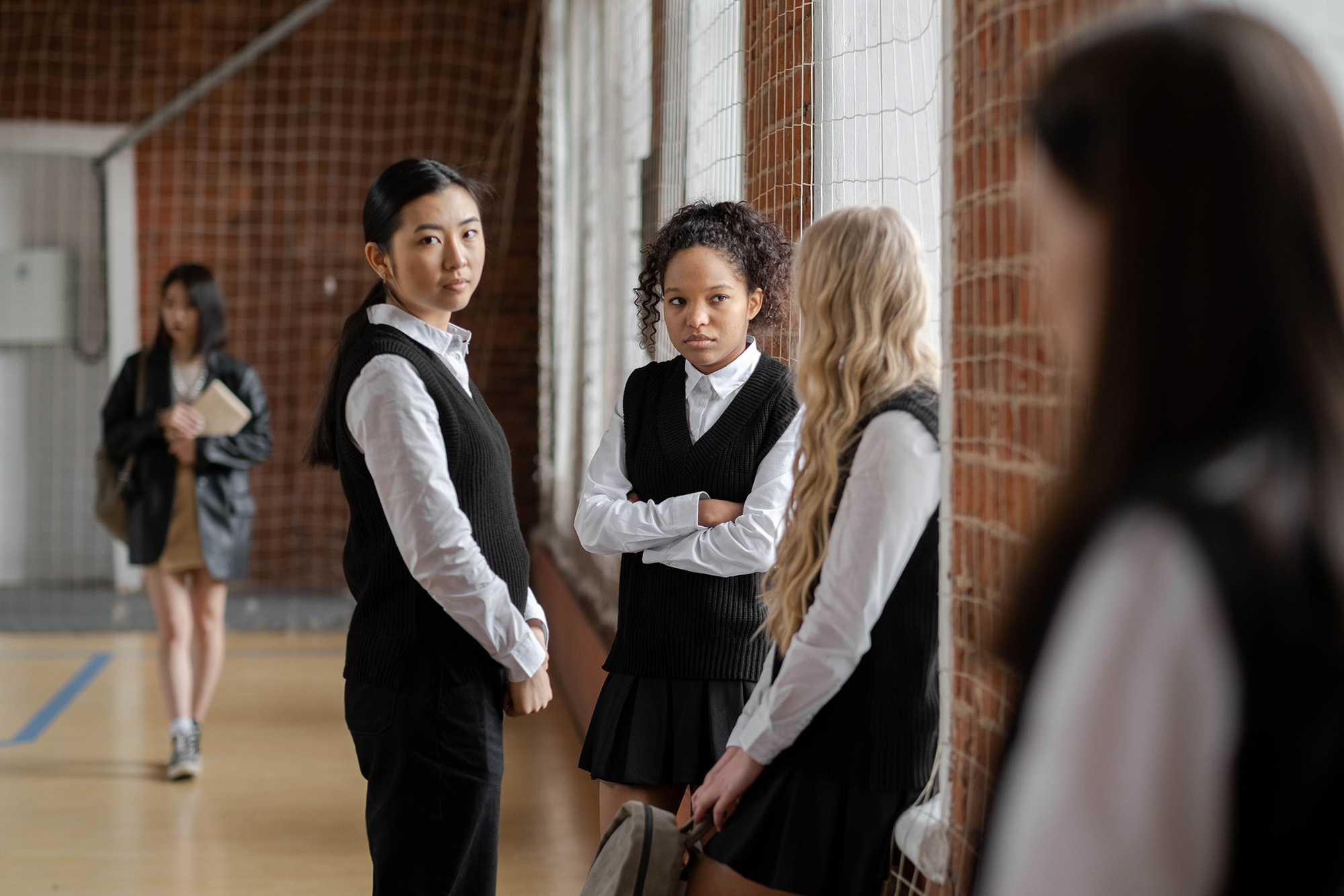
The start of a new school year often brings excitement: new teachers, new classmates, new activities, and a fresh start. But for expat families, returning to school can bring a much more complicated mix of emotions for your child—and for you.
Perhaps your child is starting a new school in a new country, culture, and community. Or perhaps they are returning to the same school, but some of the friends who were an important part of their life have moved away over the summer. The school may be familiar, but your child’s social world may have changed considerably.
As a parent, you may also be navigating your own transition while wondering: Will my child make friends? Will they fit in? How long should I give them to adjust? When should I be concerned?
When Everything Feels New
Starting a new school involves much more than adapting academically. Your child has to learn new routines, remember names, understand expectations, find their way around, and—perhaps most importantly—work out where they belong socially.
And the beginning of a new school year does not necessarily mean just the first few days or weeks. For some children, several months may pass before the school, routines, friendships, and surrounding environment begin to feel familiar.
If your child has already lived in several countries, they may appear remarkably good at adapting. But being good at transition doesn’t necessarily mean transition is easy.
Your child may be excited about their new life while also missing friends, familiar routines, their previous school, their language, or simply the comfort of knowing how everything works. These feelings can coexist. Being interested in what is new does not mean they are no longer grieving what they left behind.
For some children, the fear of an unfamiliar environment can become so intense that they begin to resist or refuse to go to school. You may notice stomachaches or headaches in the morning, difficulty sleeping, crying, irritability, or repeated requests to stay home.
Before interpreting this as defiance, try to understand what may lie beneath it. Your child may be communicating: “I don’t know what is going to happen there, and I’m afraid.”
Staying home can provide immediate relief, but repeated avoidance can make returning increasingly difficult. The goal is not to dismiss the fear, but to understand it and help your child move through it with your and the school’s support.

When Your Child Returns But Their Friends Don’t
Your child does not have to start a new school to experience a difficult transition.
In international communities, families often relocate at the end of the academic year. Your child may return after the summer expecting things to feel familiar, only to find that a best friend has moved away or that their friendship group has changed.
For internationally mobile children, saying goodbye can become a regular part of life. Yet repeated goodbyes do not necessarily make loss any easier.
Your child may even become hesitant to invest in new friendships: Why become close to someone if they might leave next year? Others may feel that making new friends somehow means replacing or forgetting those who have left.
This can be particularly difficult during adolescence, when questions such as Who will I sit with? Who will I have lunch with? Where do I fit in? may feel far more urgent than academic matters.
What Can You Do as a Parent?
Give your child time. Try not to judge how well the transition is going after the first few days. Your child does not need to feel immediately comfortable or enthusiastic about their new environment.
Listen before trying to fix things. If your child says, “I have no friends,” resist the urge to respond with “Don’t worry, you’ll make new ones.” Instead, try: “That sounds really difficult. Tell me what happened today.” Feeling understood needs to come before problem-solving.
Keep some things predictable. When much of your child’s outside world is changing, familiar routines at home can provide stability. Meals, bedtime routines, weekend activities, and small family traditions can serve as important anchors.
Help your child maintain old friendships while making room for new ones. Staying connected with friends who have moved away can be reassuring. Your child doesn’t need to choose between old and new relationships, and they shouldn’t feel pressured to replace an important friendship.
Create opportunities for connection rather than forcing friendships. Sports, music, drama, clubs, and other shared interests give children a natural reason to spend time together and ease the pressure of meeting new people.
Take school refusal seriously without reinforcing avoidance. Try to understand exactly what your child fears. Work with the school to make attendance more manageable. Sometimes small steps—being welcomed by a familiar adult, arriving before the corridors become crowded, or knowing what the morning will look like—can reduce uncertainty.
Stay connected with the school. Teachers and counsellors see your child in a different setting and can help you understand what is happening during the school day. If distress persists, worsens, or begins to significantly affect sleep, school attendance, friendships, or family life, additional professional support may be helpful.
Remember That You Are Adjusting Too
Watching your child struggle can be difficult, especially when you are also adapting to a new country, rebuilding your social network, or managing the many practical demands of international life.
You do not need to solve every problem immediately. Sometimes one of the most helpful things you can offer is simply the experience of being heard without being rushed into feeling better.
Returning to school in an international community is rarely just about academics. For your child, it may involve loss, friendship, identity, uncertainty, fear, and a sense of belonging.
Perhaps one of the most important messages you can give your child is not that everything will soon be fine, but that whatever they are feeling is worth listening to. They do not have to be excited about the new beginning, make new friends immediately, or stop missing the people and places they have left behind.
What matters is knowing they do not have to navigate the transition alone—and that you are there to listen, understand, and support them as they find their own way through it.